Every man has a natural build. The goal of dressing well is not to hide it but to refine it. How to dress to look slimmer is not about starving yourself into a smaller waist—it's about manipulating line, proportion, and structure so the eye reads you as taller, leaner, and more composed. This is not a weight-loss guide. It's a discipline of visual precision.
How to Dress to Look Slimmer: The Shoulder Foundation
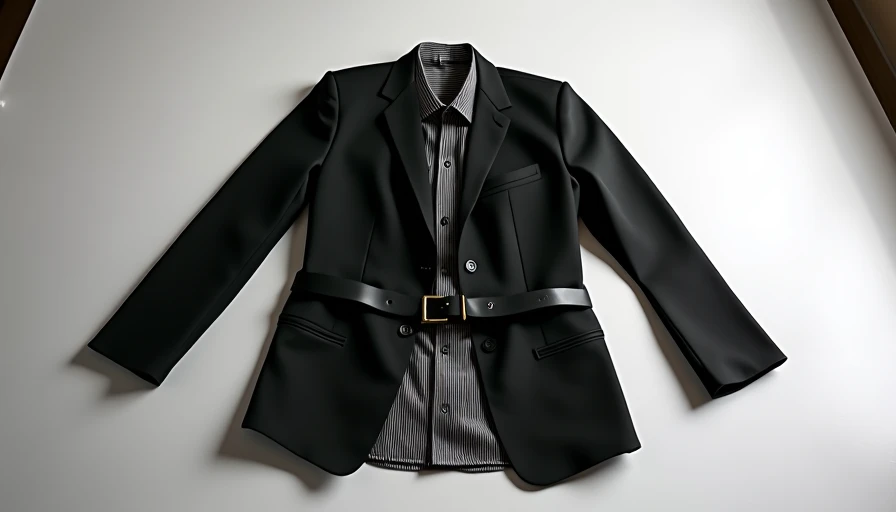
The shoulder is the architectural cornerstone. A jacket that sits correctly at the shoulder seam makes your entire upper body look cleaner. If the seam falls off your natural shoulder point, it creates a rounded, bulky silhouette. If it pinches in, it makes your neck appear thick. The ideal: a two-button notch lapel jacket with a roped sleeve head that sits exactly on the acromion bone. For dress shirts, the shoulder seam should align with the same point. Avoid heavy padding unless you have a naturally narrow frame—over-padding can make you look like a linebacker from a bygone era. The goal is a smooth, uninterrupted line from shoulder to sleeve. This single adjustment is the highest-leverage change you can make. Next time you buy a jacket, ignore the price tag for a moment and examine the shoulder fit first. If it's wrong, nothing else will fix it.
How to Dress to Look Slimmer: Vertical Color Strategy
Color is your most powerful tool for elongating the torso. A monochromatic scheme—navy trousers with a same-hue sport coat, or a charcoal suit—creates a single vertical column that reads as leaner. Contrast breaks at the waist, such as light trousers with a dark jacket, visually shorten your height and widen your midsection. If you must introduce contrast, do it with a pocket square or a subtle pattern, not a stark color shift. Pinstripes and chalk stripes are classic because they draw the eye up and down. Keep the stripe subtle—a chalk stripe on a dark flannel is far more effective than a bold pinstripe that screams "office 1987." Also consider the trousers' break: a full break collects fabric at the shoe and disrupts the line; a no-break or slight break keeps the vertical line clean. Pair dark trousers with dark shoes to extend the leg visually. This continuity from shoulder to toe is the essence of a slim silhouette.
Fabric and Drape
Fabric weight and structure matter more than most men realize. A flimsy cotton shirt clings to every curve and amplifies softness. A structured worsted wool jacket holds its shape and skims over your body without grabbing. For trousers, choose a fabric with heft—cavalry twill, heavy flannel, or a classic worsted wool. These hang straight and reduce the appearance of hip width. Avoid soft linens and jersey knits for the same reason: they conform to your body and magnify any extra mass. Pattern also plays a role: narrow vertical stripes are your ally. Horizontal stripes, large checks, and loud plaids expand visual width. If you want pattern, go for subtle birdseye or fine herringbone. These add depth without adding bulk. Fabric choice is often overlooked, but it can make or break the illusion of a leaner frame.
The V-Shape Principle
The most visually slimming silhouette is an inverted triangle—broad at the shoulders, narrow at the waist. Clothing can create this shape even if nature hasn't. A jacket with slight waist suppression (a "suppressed" waist in tailoring terms) nips in at the middle and flares slightly at the hips, defining a V. Similarly, an unbuttoned jacket over a tucked-in shirt creates a V of shirt and tie that draws the eye inward and downward. V-neck sweaters and open collars also emphasize the chest and neck, avoiding the horizontal chop of crewnecks. Lapels matter too: a medium-width notch lapel with a high gorge (where the lapel meets the collar) lifts the eye and broadens the upper chest. Think of it as structural contouring through tailoring.
Waist and Trousers
Where your trousers sit determines your perceived leg length and torso proportion. High-rise trousers (sitting at or just below your natural waist) elongate the legs and slim the midsection. Low-rise trousers create a muffin-top effect even on lean men. Pair them with a belt that matches your trousers exactly—or skip the belt entirely with side tabs, which eliminates a horizontal cut. Shirt tucking is non-negotiable for a slim look: an untucked shirt adds fabric around the hips and makes you appear wider. If you must go untucked in a casual setting, ensure the hem hits no lower than mid-fly. Anything beyond adds drag and destroys the vertical line. Finally, jacket buttoning: always button the top button, never the bottom. This creates a clean V and prevents fabric from splaying at the hips.
Final Thoughts
When you understand how to dress to look slimmer, you stop fighting your frame and start using geometry to your advantage. Shoulder fit, color continuity, fabric weight, and waist positioning—these four pillars deliver a leaner, more commanding silhouette without a single pound lost. The man who masters proportion controls how he is read. That is the discipline, and it requires no expensive labels. Just judgment.