How to Dress for Rectangle Body Shape: Build Proportion and Presence
The rectangle body shape is the most common male physique: shoulders, waist, and hips align in a straight, balanced line. Many men with this frame feel they look narrow or unremarkable in standard off-the-rack clothing. But the real problem is not the body — it is the approach. Knowing how to dress for rectangle body shape transforms a flat outline into a commanding silhouette that reads as taller, broader, and more authoritative. The goal is not to bulk up but to use cut, texture, and layering to create the illusion of structure.
Understanding the Rectangle Body Shape
To know how to dress for rectangle body shape, you first need to understand its proportions. The shoulders and hips are roughly the same width, with little natural waist definition. This creates a straight vertical line from collarbone to knee. Many classic American cuts are designed for this shape: straight-leg jeans, single-breasted jackets, and plain tees. But these often make the body look even flatter. The trick is to break that vertical line with horizontal interest.
The Core Principle: Adding Visual Weight Without Bulk
The answer to how to dress for rectangle body shape lies in adding visual weight to the shoulders and hips while de-emphasizing the waist. You want a subtle V-shape that suggests strength. This does not require a gym membership — just structured shoulders, wider lapels, and pants with a slight taper or a higher rise. Avoid overly slim cuts that cling to the body and highlight the lack of waist. Instead, look for garments that introduce volume in precise places.
Jackets and Outerwear: Your Best Friend
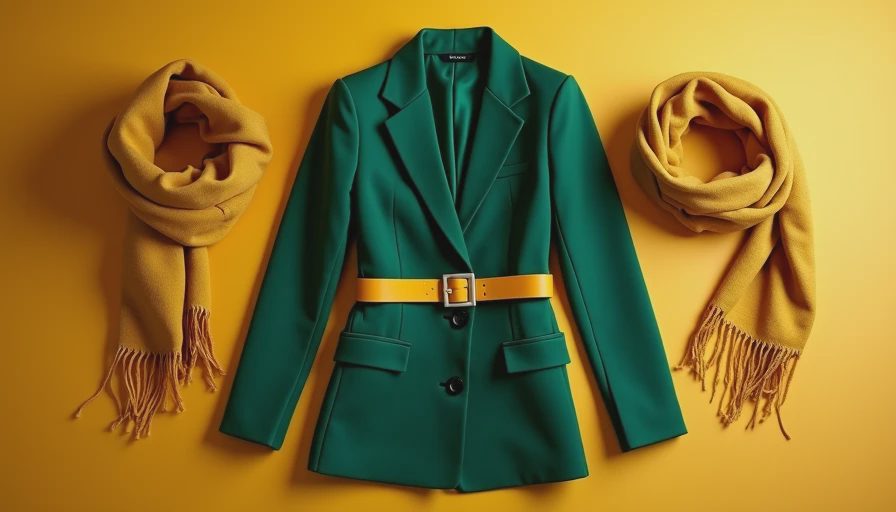
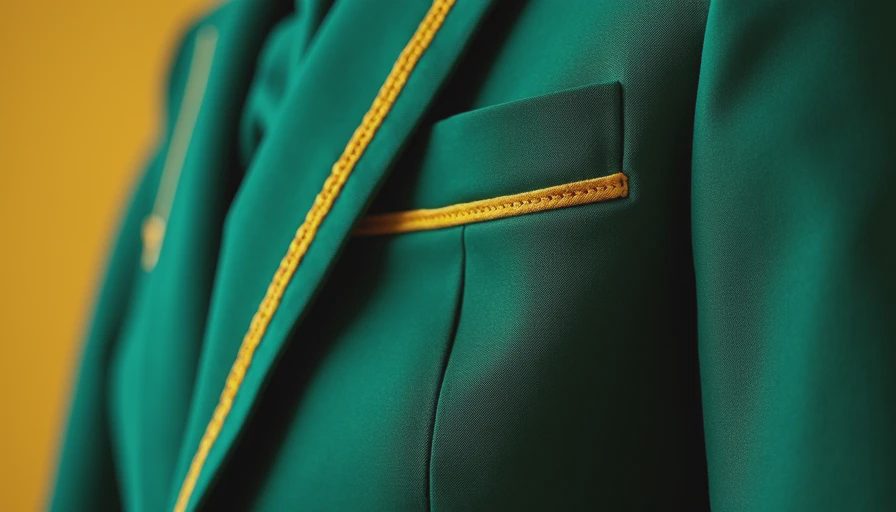
A well-cut jacket is the single most effective item for a rectangle frame. Blazers and sport coats with padded shoulders instantly widen the upper body. Look for a classic two-button or three-roll-two in a heavier fabric like flannel or tweed — the texture adds visual bulk. The lapel should be at least 3.5 inches; anything narrower makes the shoulders look narrow. A soft shoulder (unstructured) works too, but only if the cloth has enough drape to fill out. For outerwear, a field jacket with patch pockets or a double-breasted overcoat adds width horizontally. Avoid slick, tight bomber jackets that follow the body’s line.
Trousers and Denim: Breaking the Vertical Line
Trousers need a bit of room. Straight-leg or slightly tapered cuts with a mid-rise (10–11 inches) balance the shoulders. Too skinny and you look top-heavy; too wide and you disappear. Cuffed hems add weight at the bottom and anchor the silhouette. For a casual look, choose raw denim with a straight fit — brands like Levi’s 501 or 505 work well. Chinos should be tailored but not tight. A subtle break at the shoe is perfect. Pleated trousers (single or double) also add volume around the hips, which helps create the illusion of a narrower waist.
Knitwear and Layers: Texture and Volume
Crewneck sweaters in heavier gauges (wool, chunky cashmere, shawl collars) are excellent for rectangles. The horizontal pattern of a Fair Isle or a cable knit draws the eye across the torso, widening the frame. Layering a sweater over a button-down with the collar popped or a henley underneath adds depth. Cardigans — yes, cardigans — work because they create a V-shape when open and add fabric volume around the midsection. Avoid tight merino turtlenecks unless you have a strong chest and shoulders to fill them. A smart layering trick: wear a quilted vest or a sleeveless sweater under a jacket to add mass without bulk.
Shirts and Necklines: Framing the Face
Shirts should have a spread or cutaway collar. These sit wider against the chest and visually broaden the upper body. Avoid narrow point collars — they make the neck look longer and the shoulders narrower. For casual wear, a crewneck tee is fine but only if the fabric is substantial (double-stitched, 6 oz or more). A henley with the top two buttons undone creates a V-shape that lengthens the torso. Horizontal stripes are not a myth — they genuinely help. A classic navy-and-white Breton stripe shirt is one of the easiest ways to add width.
The Final Note: Discipline Over Trends
Learning how to dress for rectangle body shape is not about hiding anything. It is about choosing cuts, fabrics, and details that reward the eye with proportion. Avoid the temptation to wear everything slim or to over-accessorize. A well-fit jacket, a structured shoulder, a bit of texture — that is all it takes. Build your wardrobe around pieces that do the work for you. The rectangle body is a canvas, not a limitation. Dress it with intention, and presence follows.
Common Questions About Dressing the Rectangle Frame
Many men ask whether shoulder pads are essential. They are one of the fastest ways to create width, so look for jackets with a roped or padded shoulder. Turtlenecks can work if you choose a chunky cable-knit rather than a fine-gauge version. As for patterns, horizontal stripes, checks, and plaids add needed width, while pinstripes and vertical lines should be used sparingly. The key is to add visual size without making the frame look boxy. Accessories like scarves and watches can also help. A scarf with a horizontal stripe worn loosely adds width near the face. A chunky dive watch instead of a thin dress watch adds weight to the wrist, balancing the shoulders. Avoid skinny belts — they emphasize the waist. Instead, use side adjusters on trousers.


No notes yet — write the first one.