How to Prevent Pilling on Clothes: A Discipline in Fabric Care
Pilling is the enemy of a polished appearance. Those small, fuzzy balls that cling to wool sweaters, cashmere knits, and even well-made cotton shirts immediately cheapen the look of a garment. If you want to dress with presence, knowing how to prevent pilling on clothes isn't optional — it's part of the discipline. Most men do not need more clothes. They need better judgment. And that judgment extends to how you treat what you already own.
What Causes Pilling and Why It Matters
Pilling happens when short fibers break loose from the yarn surface and tangle into tiny balls. Friction is the trigger — from a seatbelt rubbing against a sweater, a messenger bag strap, or even the simple act of wearing a jacket over a knit. Lower-quality fabrics with short, loosely twisted fibers are more prone to pilling, but even premium materials like merino wool or cashmere can pill if not cared for properly. The difference between a man who looks refined and one who looks careless often comes down to these small details. If you want to prevent pilling on clothes, you must first understand that prevention is about reducing friction and choosing quality.
The Rules of Washing That Save Your Clothes
How you wash your clothes has a direct impact on pilling. The machine is a friction machine. To minimize damage, always turn garments inside out before washing. This protects the outer surface from direct abrasion. Use cold water — heat weakens fibers and accelerates fraying. Choose a gentle or delicate cycle, and skip the fabric softener. Softener coats fibers, reducing their ability to bounce back from friction, which actually increases pilling over time. A mild detergent designed for delicates is a worthwhile investment. For cashmere, go one step further: hand wash or use a mesh laundry bag. These simple steps are the foundation of how to prevent pilling on clothes effectively.
Drying and Storage: The Silent Killers
Heat and agitation during drying are two of the most aggressive causes of pilling. Never wring out a knit. Never put a cashmere sweater in the dryer. Lay your garments flat on a drying rack, away from direct heat or sunlight. If you must use a dryer for cotton or synthetics, choose the lowest heat setting and remove the clothes while they are still slightly damp. Hanging heavy knits can stretch them out, but the bigger issue is that the dryer tumbles fabric against fabric, creating the friction that forms pills. Storage also matters: fold knits instead of hanging them, and keep them in a drawer with low friction against other items. Following these steps is part of how to prevent pilling on clothes over the long haul.

When Prevention Fails: How to Remove Pills Without Damage
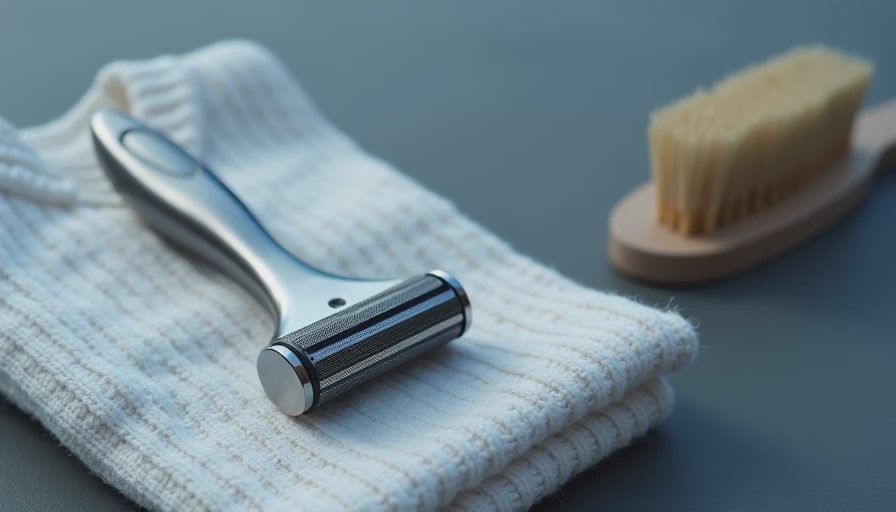
Even with perfect care, some pilling is inevitable — especially on high-use areas like the inner arms or sides of a sweater. When that happens, act quickly. A fabric shaver, sometimes called a lint remover, is the best tool for the job. Look for a model with a stainless steel blade and adjustable height settings so you don't cut the fabric. Run it gently over the pilled surface in one direction. Avoid pulling or stretching the fabric while shaving. For delicates like cashmere, use a fine-toothed sweater comb instead. Removing pills as soon as they appear prevents them from accumulating and becoming more noticeable. This is a maintenance step that any man who cares about his appearance should have in his routine.
A Final Word on Fabric Quality
Ultimately, the best way to prevent pilling on clothes is to start with better fabrics. Long-staple cottons, tightly spun wools, and high-quality cashmere with a longer fiber length are inherently more resistant to pilling. When you buy cheap, you buy twice — and you also spend more time fighting pills. Invest in fewer, better pieces. Treat them with respect. And if you find a garment pilling excessively within a few wears, return it. That garment was not made to last. Luxury is not the label. It is the discipline of preserving what you own until it naturally wears out, not until your carelessness kills it.
Frequently Asked Questions About Pilling Prevention
Can pilling be completely avoided? Not entirely — even the best fabrics will eventually show some fuzz under heavy use. But with the right care, you can reduce pilling by 80% or more, keeping clothes looking new for years. The key is consistency: wash inside out, dry flat, and shave pills early.
Does dryer lint mean pilling is happening? Yes — lint in the trap is a sign that fibers are breaking off. That’s friction at work. If you notice heavy lint, reduce dryer heat and use a shorter cycle.
Are expensive fabrics worth it for pilling? Generally, yes. A $200 cashmere sweater from a reputable brand will outlast three $50 sweaters from fast fashion. The longer fibers resist pilling naturally. So when you ask how to prevent pilling on clothes, the answer often starts with what you buy in the first place.
What about pilling on sheets or towels? The same principles apply: gentle wash, low heat, and avoid overloading the machine. For sheets, rotate sets to reduce constant friction in one spot.




No notes yet — write the first one.