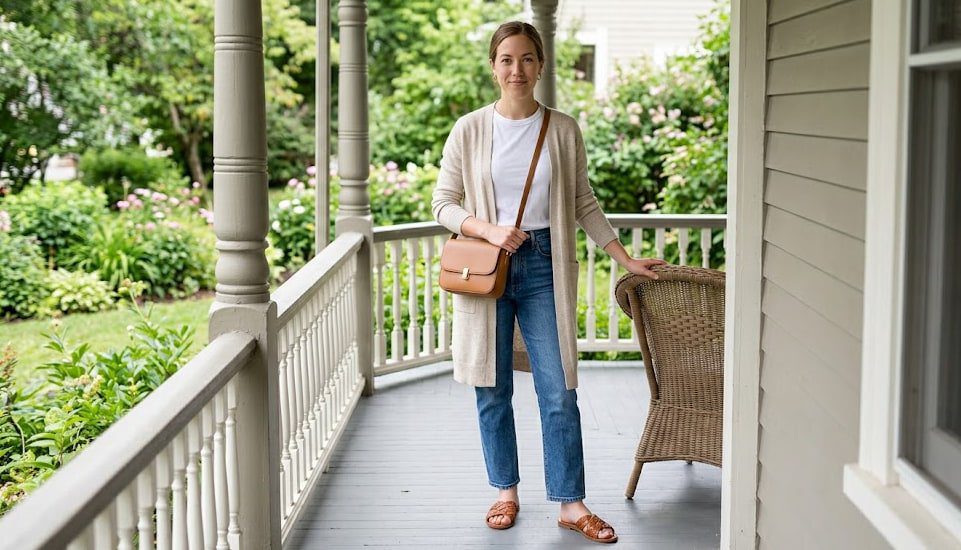
I have spent years working with clothes at every price point. As a visual merchandiser, I dressed mannequins in everything from high-end designer pieces to fast-fashion basics, and I learned something surprising: the price tag rarely determines whether an outfit looks expensive. The fabric hand, the fit, and most importantly, the styling make the difference. You can buy a ten-dollar top and make it look like a hundred if you know what to look for and how to put it together. In this post, I will share the specific affordable pieces I trust and the exact styling rules that keep them looking rich, not cheap.
The Difference Between Cheap-Looking and Budget-Friendly
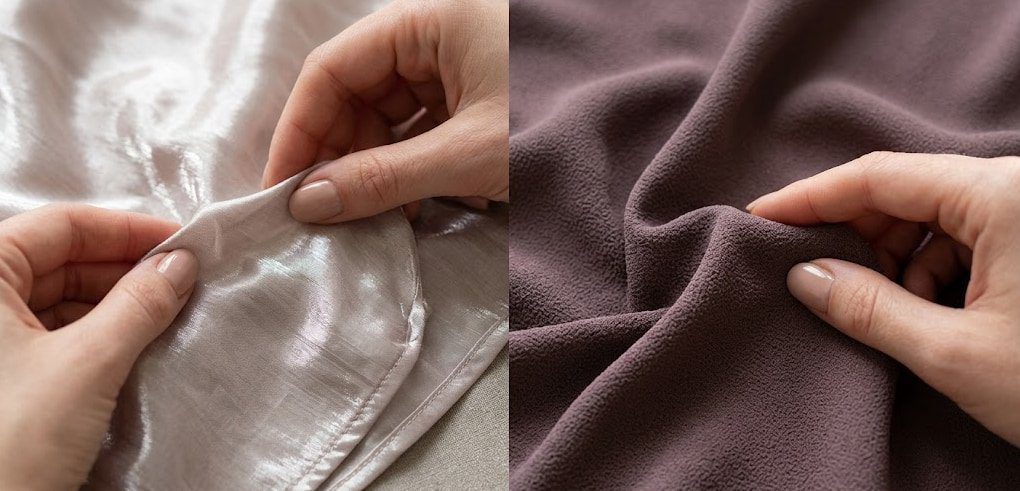
Before we get into the pieces, let me clarify the most important distinction I learned on the sales floor. A garment looks cheap not because it cost little, but because it announces its low price through shine, poor fit, or distracting details. A budget-friendly piece, on the other hand, mimics the qualities of more expensive clothing: matte finishes, clean lines, and solid structure. When you learn to spot the difference while shopping, you stop wasting money on things that will never look good, no matter how you style them.
Here are the signs I look for when I shop on a budget, compiled from years of handling clothes for photoshoots and store displays.
Cheap-Looking Sign | Budget-Friendly Alternative | Why It Works |
|---|---|---|
Shiny, polyester-heavy fabric that catches light in a plastic-like way | Matte crepe, cotton blends, or brushed jersey with a soft, flat finish | High-end fabrics rarely shine. A matte surface reads as natural and expensive. |
Visible, messy stitching or loose threads | Look for even, tight stitching; check hems and seams before buying | Clean construction signals quality, even at a low price point. |
Loud hardware: chunky gold buttons, oversized zippers, big logo plates | Minimal hardware in matte gold, silver, or tonal finishes | Subtle details look intentional and elegant. |
Thin, see-through knitwear or tees that lose shape after one wash | Mid-weight cotton or knits with a bit of density and recovery | Weight and opacity signal substance. |
Overly trendy shapes that will date quickly | Simple, classic silhouettes that you have seen in stores for years | Timeless cuts always look more refined. |
If a piece passes this checklist, it has strong potential to look expensive, regardless of where you bought it.
The Affordable Pieces I Have Trusted for Years
There are specific items I have bought repeatedly from budget retailers and thrift stores, and they have never let me down. These pieces form the backbone of countless polished outfits, and they cost very little.
A Mid-Weight White Cotton Tee
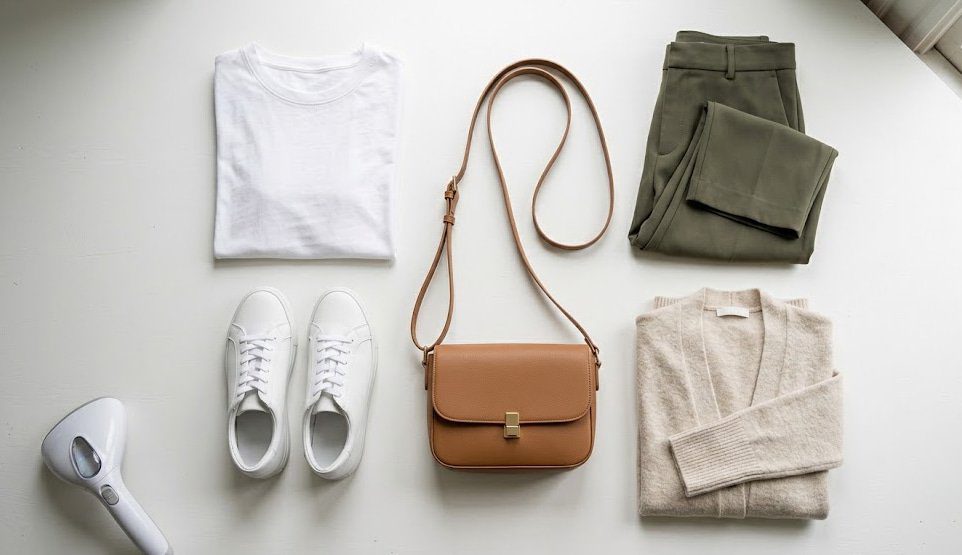
The difference between a cheap-looking white tee and a polished one is weight and opacity. Look for a mid-weight cotton jersey that you cannot see your hand through. I have found excellent versions at Target, Uniqlo, and Old Navy for under fifteen dollars. Store it folded, not hung, to keep the shoulders from stretching.
Matte-Finish Tailored Trousers
Wide-leg or straight tailored trousers with an elastic back waist are widely available in budget stores. The key is the fabric: a matte crepe or a cotton-twill blend that holds a crease without shining. Olive, sand, and charcoal are the safest colors. Avoid anything with a sheen, which betrays a synthetic makeup immediately.
A Structured Woven Bag
Faux leather bags have improved dramatically. Look for a structured crossbody or top-handle bag in a smooth, matte faux leather with minimal gold or silver hardware. Quince, Mango, and even Target's A New Day line produce bags that pass for far more expensive versions. The structure is what makes it work. A slouchy bag in shiny faux leather is a dead giveaway.
Clean White Leather-Look Sneakers
Low-profile white sneakers with a simple silhouette and no loud logos are one of the most powerful affordable purchases you can make. They lift every casual outfit and make dresses and skirts feel modern. I recommend looking for a rounded toe, a flat sole, and a matte or lightly pebbled finish.
An Unstructured But Weighty Cardigan or Knit Blazer
A longline cardigan or a knit blazer in a dense, non-pilling knit reads as luxurious, even from budget retailers. The weight of the fabric is everything. It should drape, not float. Oatmeal, heather grey, and black are the most useful colors.
The Styling Rules That Make Budget Pieces Look Expensive
Buying the right pieces is only half the equation. The way you style them does the rest of the work. These rules come directly from my e-commerce styling days, when I had to make sample sale garments look like editorial fashion on camera.
Steam Everything
Nothing makes clothes look cheaper than wrinkles. A ten-dollar steamer is the single best investment you can make. Steam your tee, your trousers, your cardigan. The difference in how the fabric hangs is immediate and dramatic.
Simplify Your Color Palette
The fewer colors in an outfit, the more expensive it looks. I stick to two or three neutrals maximum. A monochrome or tonal outfit in cream, sand, and taupe will always look richer than an outfit with four contrasting shades pulled from different color families.
Tuck, Roll, or Cuff Something
A deliberate adjustment signals that you thought about the look. A front-tuck on a tee, a single roll on a sleeve, or a small cuff on a trouser hem adds structure and intent to even the simplest outfit.
Limit Jewelry to One or Two Quiet Pieces
Too much jewelry cheapens a look faster than almost anything else. A single thin chain necklace, a small pair of hoop earrings, or a simple watch is enough. Let the clothes do the talking.
Pay Attention to Your Shoes and Bag
These two items anchor every outfit. If your clothes are budget, let your shoes be clean and your bag be structured. A well-chosen bag and a fresh pair of sneakers or loafers signal that you care about the whole picture.
One Outfit, Three Budget Levels
To show you how this plays out in real life, I will give you one outfit formula styled with pieces from three different budget tiers. The formula is the same: white tee, straight trousers, long cardigan, clean sneakers, structured bag.
Under $60 total: Old Navy white tee, Target tailored trousers, thrifted longline cardigan, Walmart white sneakers, and a secondhand faux-leather crossbody.
Under $120 total: Uniqlo white tee, H&M crepe trousers, Quince cardigan, Adidas court sneakers on sale, and a Mango structured bag.
Under $200 total: Everlane organic cotton tee, Abercrombie tailored trousers, Madewell knit blazer on sale, Veja sneakers, and a Portland Leather Goods crossbody.
Every single one of these versions looks expensive when the pieces are clean, steamed, and styled with the rules above. The difference between the sixty-dollar version and the two-hundred-dollar version is visible mainly in longevity and fabric feel, not in how polished you look walking down the street.
Your Action Step
Walk into your closet this weekend and pull out the three budget pieces you wear most. Apply the styling rules to each one. Steam what needs steaming. Simplify the colors around it. Add a structured bag and clean shoes. Check for any shiny hardware or loose threads and address what you can. I guarantee you will see those pieces differently.
Final Thought: Cheap is fine. Looking cheap is optional. Style with intent, and the price tag stops mattering.
No notes yet — write the first one.