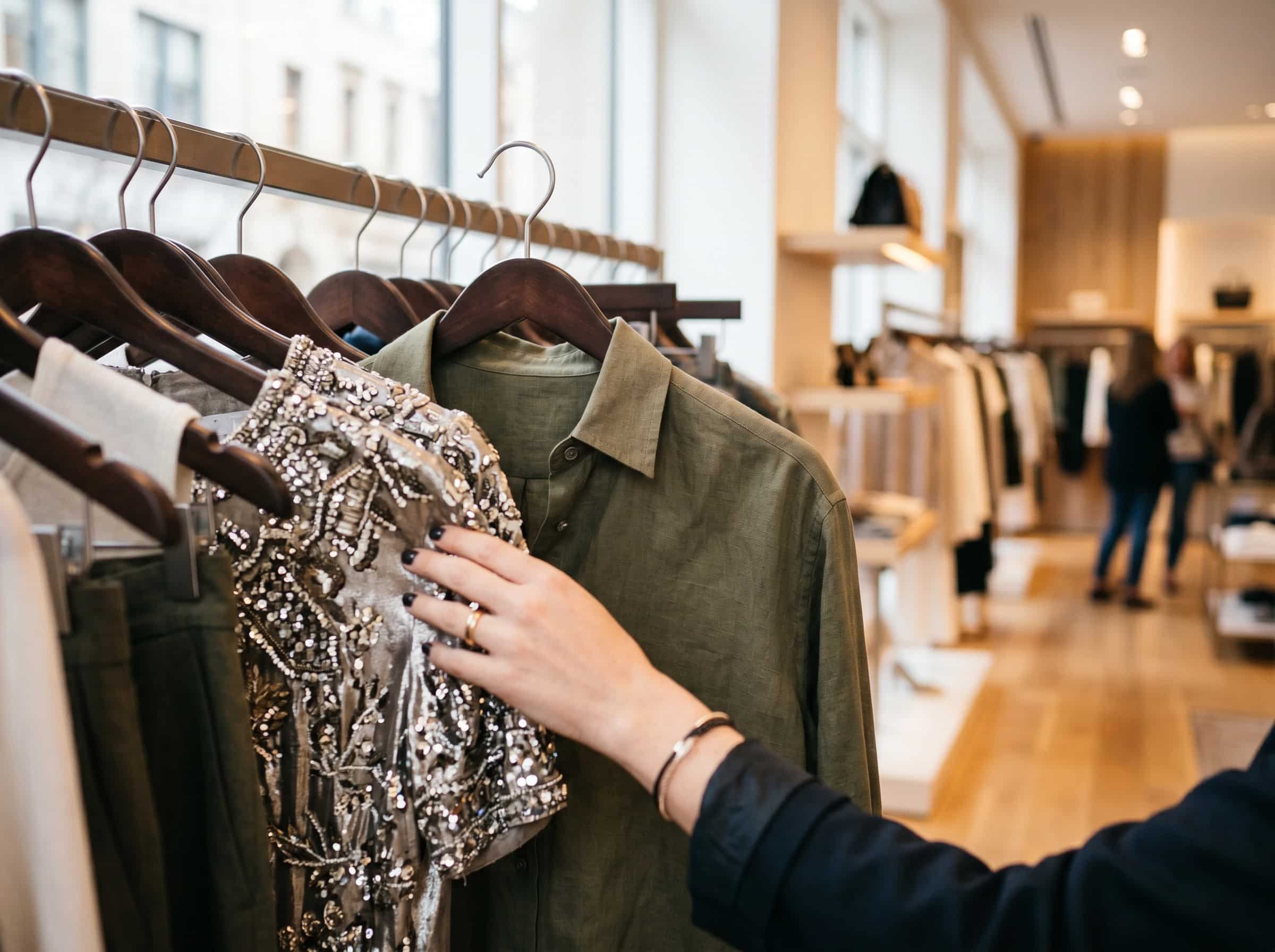
I have walked through fast fashion stores with a very specific lens. As a visual merchandiser, I understood why certain garments were placed at the front of the store. As an e-commerce stylist, I knew exactly which pieces would photograph well and which would fall apart after one wash. And as someone who has dressed real women on real budgets, I learned that the biggest waste of money is not the expensive item you save up for. It is the cheap item you buy on impulse and never wear.
Skipping the wrong things at fast fashion stores is not about being snobbish. It is about being strategic. There are genuine gems hiding on those racks. But you have to know what to push past to find them. Here is exactly what to skip and what to look for instead, based on years of handling clothes at every quality level.
The Fast Fashion Traps I See Repeated Every Season
Fast fashion retailers are brilliant at making clothes look appealing in the moment. The lighting is flattering. The displays are styled. The price is low enough to feel harmless. But I have seen too many women bring home bags full of pieces that never make it into rotation. The reason is almost always the same: the garment looked good on the hanger but failed in real life.
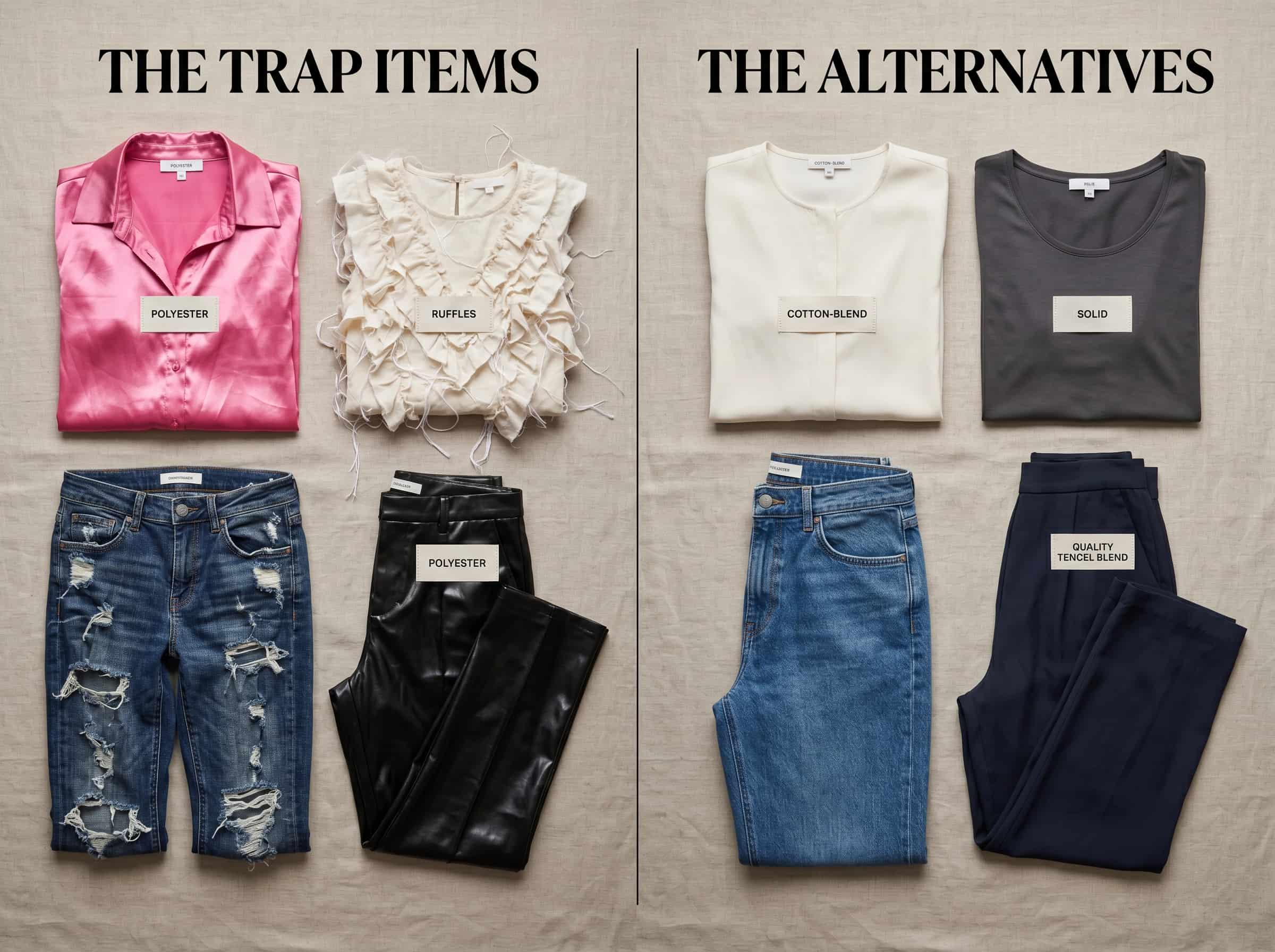
Here is a quick reference table for the most common trap items and what goes wrong with them.
The Item | Why It's a Trap | What to Look for Instead |
|---|---|---|
Thin, shiny blouses | The sheen looks cheap instantly and highlights every lump and seam underneath. They wrinkle in minutes. | Matte crepe or cotton-blend tops in the same silhouette. The soft texture reads as much more expensive. |
Heavily embellished or ruffled tops | The details are rarely well-executed. Loose threads, uneven stitching, and flimsy trims date the piece immediately. | Simple solid tops with one subtle detail: a small puff sleeve, a clean collar, or a gentle scoop back. |
Ripped or heavily distressed jeans | Extreme distressing limits wear. You cannot dress them up, and they often look sloppy after a few washes. | Clean straight-leg jeans with a uniform wash. They outlast trends and pair with everything. |
Stiff, unlined trousers | These make a crinkling noise when you walk and cling in warm weather. The shape rarely hangs correctly. | Trousers with a soft drape, even if synthetic, as long as the finish is matte and the cut is generous but structured. |
Trendy shoes made from rigid synthetic material | Blisters after one wear. Scuffs that cannot be buffed. A silhouette that will look dated in months. | Leather-look shoes with a soft, slightly pebbled finish or a matte surface. Comfort matters more than trends. |
Graphic tees with stiff prints | The print cracks and fades unevenly. The fabric around the print feels stiff and often shrinks at a different rate. | Solid neutral tees in mid-weight cotton. They never go out of style and always look clean. |
This list is not theoretical. Every single entry is something I watched clients regret buying, season after season.
The Fabric Test I Do in the Aisle
One of the most useful skills I picked up in visual merchandising was the quick fabric assessment. You do not need to be an expert. You just need to use your hands and your eyes for about five seconds.
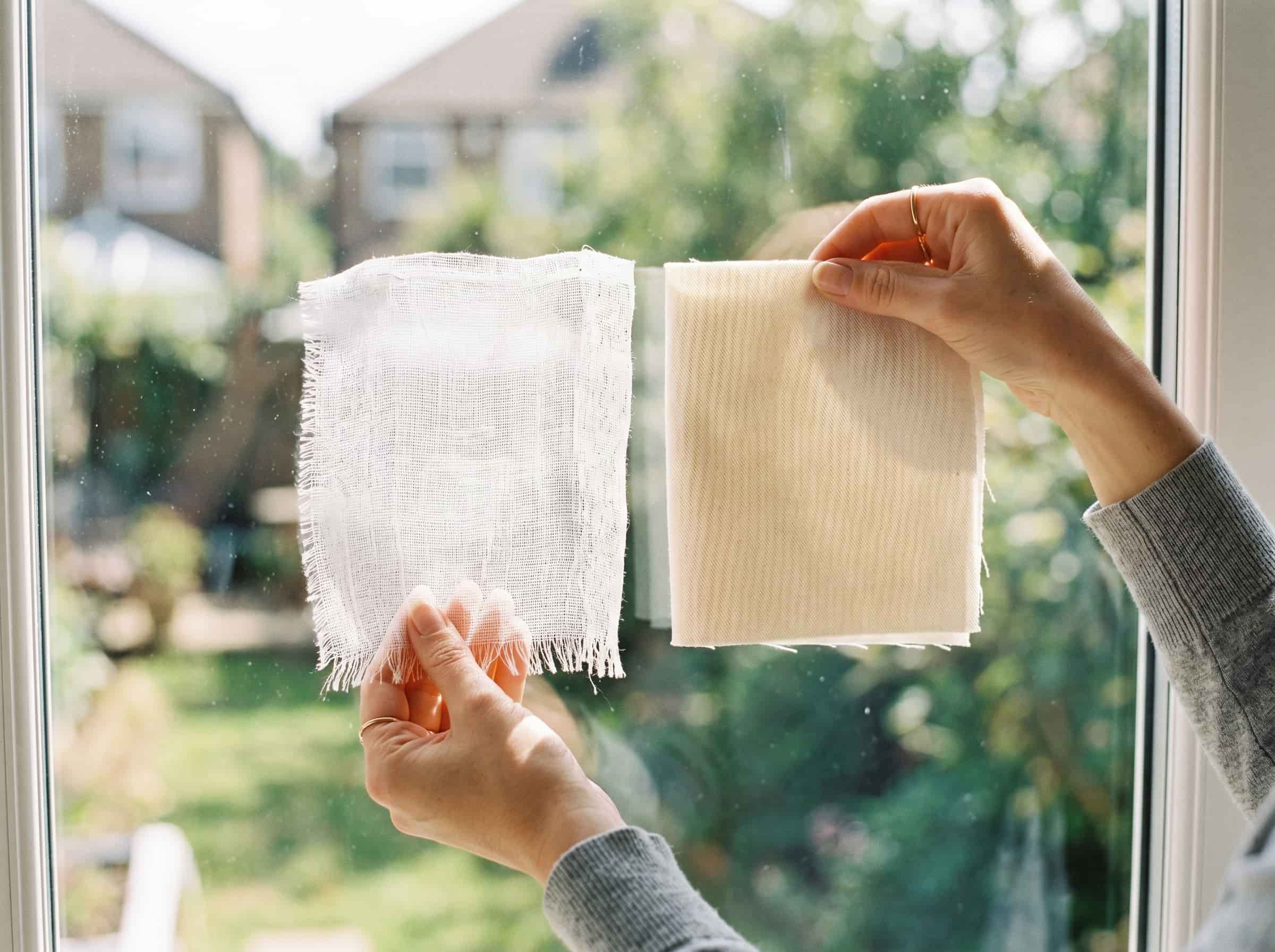
First, touch the fabric. Does it feel dry and soft, or does it feel slick, scratchy, or plasticky? Quality at any price point usually leans dry and soft. Second, scrunch a handful of the fabric gently in your fist and release it. Does it bounce back without creasing deeply, or does it hold every wrinkle? The bounce test tells you how the garment will look after you sit down in it. Third, hold the fabric up to the light. Can you see your hand through it? If a top or dress is semi-transparent and not designed to be sheer, it will require layering you may not want to do.
This test takes less than ten seconds and has saved me from more bad purchases than I can count.
The Categories Where Spending Slightly More Matters
Within a fast fashion budget, there are places to go cheap and places to invest just a few extra dollars. I learned through years of e-commerce shoots that certain items photograph poorly and wear out fast if they are made from the lowest-tier materials. Here are the categories where I always recommend spending slightly more, even if it means buying fewer items overall.
Outerwear and Jackets
A blazer, trench coat, or cardigan sits on the outermost layer of your body and frames your entire outfit. Cheap outerwear often fits poorly in the shoulders and sleeves. Look for a decent shoulder seam, a lining that helps the piece glide over other clothes, and a fabric weight that hangs rather than floats.
Shoes
Your feet carry you through the day. Rigid, poorly constructed shoes cause pain, and pain shows on your face and in your posture. Even within budget-friendly brands, choose the slightly higher-priced option with a padded insole and a softer upper material.
White T-Shirts
A thin, see-through white tee is one of the most common fast fashion disappointments. Spend a little more on a mid-weight cotton version with a clean neckline finish. It will last longer and look infinitely better.
Tailored Trousers
Cheap tailored trousers often have a shiny finish and an awkward drape. Look for matte crepe, a clean hem, and an elastic-back waist if you want comfort without sacrificing shape.
What Is Actually Worth Buying at Fast Fashion Stores
This is not a post about avoiding fast fashion altogether. I still walk into these stores and find excellent pieces. The key is knowing which categories deliver quality at a low price. Knitwear, especially crewneck and V-neck sweaters in solid neutrals, often performs well. Cotton basics like simple tanks and relaxed button-downs can be excellent. Accessories like canvas totes, simple belts, and minimal jewelry are almost always a safe bet. And seasonal items you will only wear for a few months, such as a linen-blend short or a casual sundress, are practical to buy at a lower price point.
How to Break the Impulse Cycle
The single best advice I can give you, drawn from watching women shop for years, is this: never buy an item on the first visit. Pick it up. Hold it. Do the fabric test. Then put it back and walk one full lap around the store. If you are still thinking about it after ten minutes, and it passes every check, it might be worth your money. Most items will not survive that lap. The ones that do are usually the pieces you will actually wear.
Final Thought: A low price tag is not a reason to buy. It is an invitation to ask better questions. Skip the traps, shop with intention, and your closet will thank you for it.