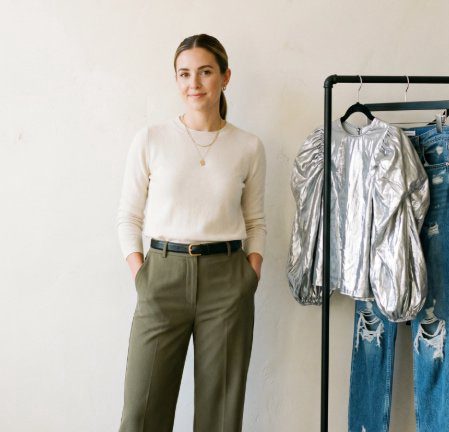
One of the most important lessons I learned as a visual merchandiser did not come from the clothes. It came from watching customers. I would see women gravitate toward the trendiest mannequin in the store, try the look on, and walk out of the fitting room looking defeated. The outfit was current. It was in every window. It was exactly what the internet said to wear. But it did not look good on her. Not because anything was wrong with her body, but because the trend was never designed to flatter her in the first place.
Looking trendy and looking good are two completely different goals. Trends are mass-produced ideas designed to sell newness. Looking good is a personal equation that involves your proportions, your coloring, your lifestyle, and your own sense of self. And you cannot download that equation from a feed. You have to build it yourself.
Why Trendy and Good Often Disagree
Trends are not built for individuals. They are built for the market. Every season, the fashion industry needs you to feel like what you own is slightly wrong, so you will buy something new. The silhouette shifts. The color of the moment changes. A detail that was everywhere six months ago suddenly feels dated. This cycle is profitable, but it has very little to do with whether an outfit actually flatters you.
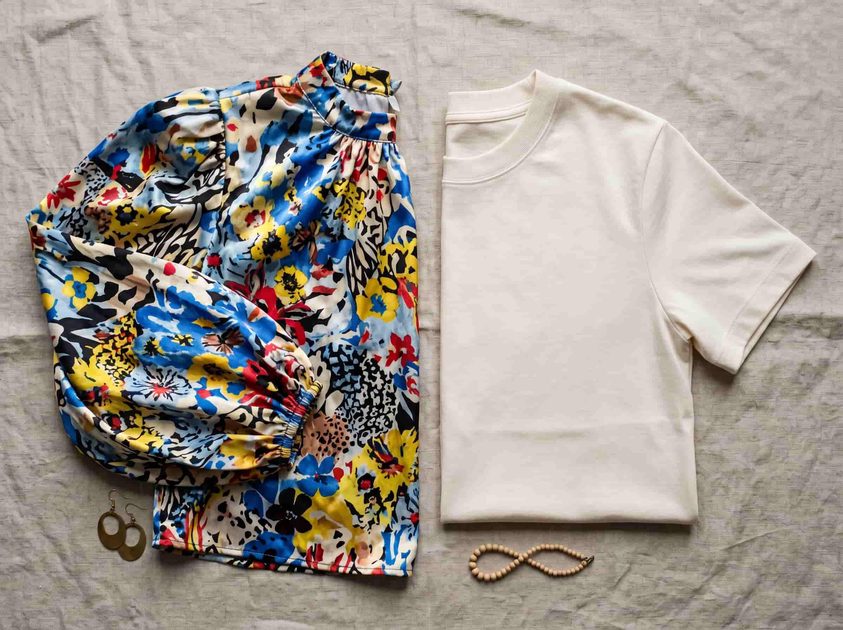
When I styled e-commerce shoots, I dressed models in trend pieces all the time. But I also pinned, clipped, and adjusted those pieces constantly behind the scenes. A puff-sleeve top that looked editorial in the final photo had been taped and tucked to fit perfectly for exactly one angle. The real-life version, worn by a real woman on a real day, often looked completely different. I saw the gap between the styled image and the lived experience every single day.
The question I started asking myself, and later my clients, was this: do you want to look like you just walked out of a current-season lookbook, or do you want to look like the best, most comfortable, most confident version of yourself? Those two answers are rarely the same.
The Three Ways Trends Mislead You
Through my work in both retail display and personal styling, I identified three specific traps that trends set for women who genuinely want to look good.
The Trend Trap | How It Misleads You | The Better Question to Ask |
|---|---|---|
The silhouette of the moment | A shape that dominates stores may not work for your body. Ultra-low-rise jeans flatter very few frames. Oversized everything can swallow a petite frame. | Does this silhouette elongate me or cut me in awkward places? |
The color of the season | A specific shade may be declared the "it" color, but if it washes you out, you will never feel vibrant in it. | Does this color make my skin and eyes look alive? |
The detail that dates itself | Cutouts, oversized collars, or specific sleeve shapes can look exciting for one season and tired the next. They also make the garment harder to remix. | Will this detail still look intentional a year from now, or is it a one-season novelty? |
None of these questions are about whether a piece is fashionable. They are about whether it works for you. And that is a much more useful conversation.
What "Looking Good" Actually Means
After years of dressing women, I arrived at a simple definition. Looking good means that your clothes cooperate with your body instead of fighting it. It means the overall picture feels harmonious, so people notice you, not just your outfit. And it means you feel comfortable and confident enough to forget about what you are wearing and focus on the moment you are in.
This definition has nothing to do with price, labels, or trend cycles. I have seen women in simple white tees and well-fitting jeans look infinitely better than women in head-to-toe runway trends that did not suit them. The woman in the tee and jeans understood her proportions. She knew her colors. She had built a personal style that was hers alone. That quiet confidence is what reads as truly good.
How to Engage With Trends Without Losing Yourself
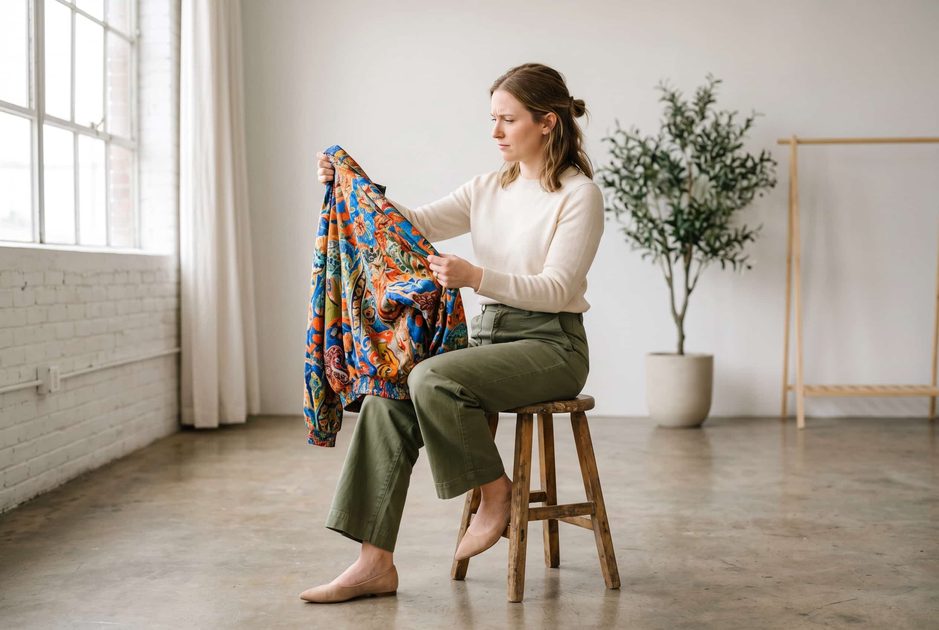
I am not suggesting you ignore fashion entirely. Trends can be fun. They can introduce you to new shapes and colors you might not have tried. The key is to engage with them as a selective editor, not a passive consumer.
Here is the approach I have used with private clients and in my own wardrobe for years.
Filter every trend through your personal palette. Before you even consider a silhouette, check the color. If the trending shade is not in your flattering color range, skip it entirely. A trendy piece in a color that drains your face will never look good, no matter how current it is.
Try the shape in a low-risk version first. Do not invest heavily in a trend silhouette until you have lived with it. Buy one inexpensive piece, wear it for a week, and see how it integrates with your real life. Does it pair with your existing basics? Does it feel like you, or like a costume? Most trends will answer no to one of these questions.
Keep the trend to one piece per outfit. A full outfit of trendy items almost always looks like you are trying too hard. One current piece, grounded by your trusted, timeless basics, reads as modern but still personal. Think a slightly voluminous sleeve on an otherwise simple top, paired with your faithful straight jeans and loafers. The rest of the outfit stays you. The one piece is just a small nod to the moment.
Ask the five-year question. I learned this from a senior visual merchandiser early in my career. When considering a bold new piece, ask yourself if you can imagine still liking it in five years. If the answer is a clear no, enjoy looking at it in the store, but leave it there. Your closet is not a museum of past micro-trends.
The Wardrobe Test That Reveals Your True Style
If you want to see the difference between trendy and good in your own closet, try this exercise I conducted with countless clients. Pull out the ten pieces you wear most often. These are the items that make you feel comfortable, confident, and like yourself. Lay them on your bed and look at them together.
Now pull out the five trendiest pieces you have bought in the past two years. The ones that felt urgent in the moment. Place them next to the first pile.
Notice the difference. The first pile is likely full of neutrals, clean lines, flattering fits, and fabrics that feel good. The second pile is probably louder, more specific, and less connected to the rest of your wardrobe. The first pile is your real style. The second pile is what marketing convinced you to want. The goal going forward is to invest more in pile one and become far more selective about pile two.
Final Thought: Trendy shouts. Good style speaks. One demands attention and fades quickly. The other earns respect and stays with you. Trust the quiet pile. That is where your best outfits live.

No notes yet — write the first one.